Solar Cells Printing
The most commonly used printing technologies in solar panel manufacturing vary depending on the type of solar cell and application requirements
Detail Description
The most commonly used printing technologies in solar panel manufacturing vary depending on the type of solar cell and application requirements. Screen printing has long been the primary method for metallizing silicon solar cells. This crucial step involves depositing silver and aluminum pastes to form conductive grid lines on the cell surface—these grid lines act like "blood vessels," collecting and transmitting the current generated by sunlight. For decades, flat-panel screen printing has been the mainstay of the photovoltaic industry, offering stability and scalability, but its limitation lies in the physical constraints of the woven mesh, which restricts the width of the grid lines and increases silver consumption.
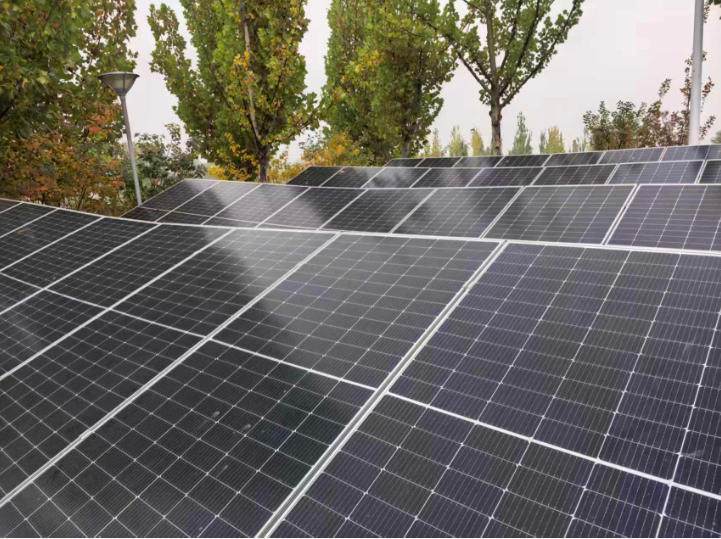
In recent years, stencil printing technology has achieved a major breakthrough, revolutionizing the manufacturing process of high-efficiency solar cells. Unlike traditional screen printing, stencil printing uses ultra-thin metal sheets with precisely etched patterns, enabling grid lines as narrow as 15 micrometers—more than 50% thinner than grid lines produced by conventional methods. The reduced grid line width minimizes shading on the cell surface, while the increased grid line aspect ratio lowers resistance, significantly improving efficiency and cost-effectiveness.
Beyond silicon-based solar cells, printing technology has paved the way for the development of flexible decorative organic photovoltaic (OPV) panels. These panels, only 0.2 mm thick, are lightweight and flexible, allowing for the printing of custom patterns to enhance their visual appeal—making them suitable for windows, walls, billboards, and even small electronic devices powered by indoor lighting or solar energy. Roll-to-roll printing, a continuous manufacturing process, enables the production of up to 100 meters of OPV film per minute, further reducing costs and expanding their commercial potential.
Innovations in printing technology are also driving solar energy applications into extreme environments, including outer space.
Other emerging printing technologies are shaping the future of solar energy. For example, electrostatic inkjet (ES) printing is being used to deposit silver nanoparticle inks for CIGS (copper indium gallium selenide) solar cells. Compared to vacuum processes, this technology offers finer electrode patterns and reduces material waste. Simultaneously, inkjet printing can precisely deposit functional inks onto a variety of substrates, including plastics and fabrics, opening new possibilities for wearable solar technology and portable energy devices. Even solar-powered "coatings," once considered science fiction, are becoming a reality. Researchers are developing printable coatings that can capture sunlight to generate hydrogen or electricity and can be applied to any surface, from building walls to curved objects.
Despite significant progress in solar panel printing technology, challenges remain. For wire mesh printing, the high cost of precision wire mesh (3-5 times more expensive than traditional mesh) and its relatively short lifespan remain obstacles to its widespread adoption, although these costs can be offset by long-term silver savings. While organic solar panels are flexible and inexpensive, they still lag behind silicon-based solar panels in efficiency and long-term stability; however, ongoing research is narrowing this gap—some organic photovoltaic panels are expected to reach 13% efficiency by 2024. Furthermore, developing specialized inks and materials compatible with printing processes and capable of withstanding harsh environmental conditions is also crucial.
Interested in this solution?
Our experts are ready to discuss how our screen mesh solutions can optimize your Solar Cells Printing process.