News & Insights
Stay updated with the latest industry trends, company announcements and expert insights from Huajin Screen Printing, your trusted partner for high-precision screen printing mesh and consumables.
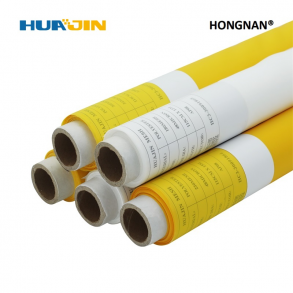
Why is yellow silk screen easier to remove than white silk screen?
When yellow silk screen is exposed, it has poor reflective effect, strong light absorption, and sufficient photo-crosslinking, while white silk screen has strong reflective effect and relatively poor photo-crosslinkin
Read More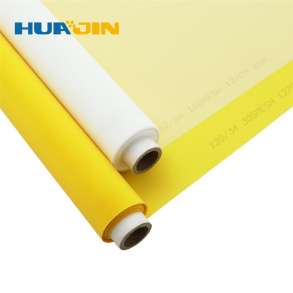
How to control the angle of screen when making a screen printing plate?
For example, when making a four-color screen plate of red, blue, yellow, and black, the angle of the screen can be 0 degrees, 4 degrees, 0 degrees, or 12 degrees
Read More
How to deal with air bubbles during glass screen printing?
When doing glass screen printing work, this phenomenon sometimes occurs: bubbles sometimes appear on the ink mark
Read More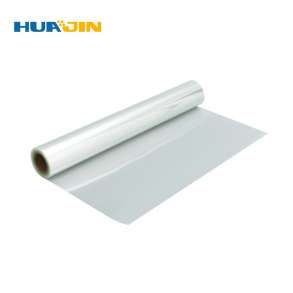
The introduction of Heat Transfer Film
The heat transfer is a process that the Heat Transfer Film is heated at one time to transfer the decorative pa
Read More
Why polyester mesh is the most popular when printing on T-shirts?
When screen printing on T-shirts, polyester mesh is considered as an excellent choice for a variety of situations Let s explore when polyester mesh is the ideal option for your T-shirt printing needs:
Read More
How to enhance your screen printing quality?
The first critical aspect is ink flow Proper ink flow is essential for achieving sharp, vibrant prints without issues like streaking, bleeding, or insufficient coverage
Read More
What is Direct to Film (DTF) Printing?
Direct-to-Film printing, also known as DTF printing, utilises a garment printer to create film transfers which can
Read More
DTF Transfer Application Instructions
Preheat the garment for 15 seconds to remove excess moisture Let the garment cool before adding the transfer
Read More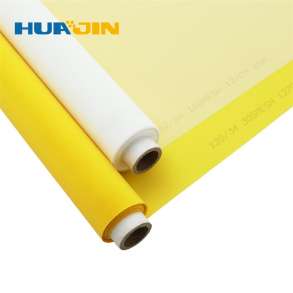
Features of UV flexo printing ink
In recent years, the development of UV materials for domestic printing has also been relatively rapid In 1998, the consumption of domestic UV printing materials has exceeded 2,000 tons (including domestic and imported
Read MorePopular News

Why is yellow silk screen...
May 30, 2025
Why polyester mesh is the...
Oct 19, 2023
How to control the angle ...
May 23, 2025News Categories
Subscribe to Newsletter
Get the latest news and insights delivered directly to your inbox.
We respect your privacy. Unsubscribe at any time.